Eyelid Laceration Repair: What to Expect A practical guide to evaluation, repair, and healing after an eyelid cut. An eyelid laceration can involve the skin, the lid margin (lash line), or deeper structures that control eyelid movement and tear drainage. Because eyelids are “moving anatomy,” repairs have to restore both closure and contour—not just close a skin gap. In the…

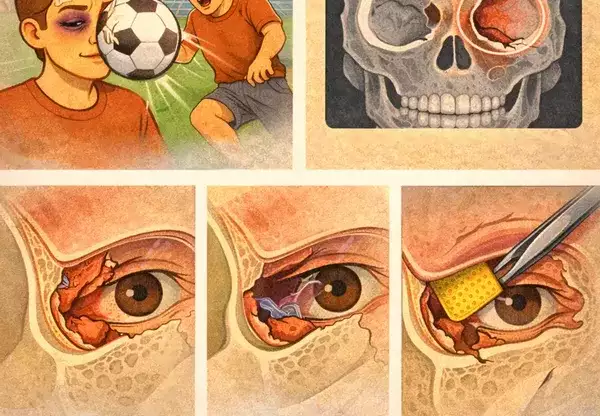
Orbital Fracture: Symptoms, Treatment & Recovery A clear guide to symptoms, evaluation, and healing after an eye socket fracture. Overview An orbital fracture is a break in one or more of the bones that form the eye socket (the orbit). Because some orbital walls are very thin, fractures can happen even from a moderate impact—sports injuries, falls, or accidents. Not…
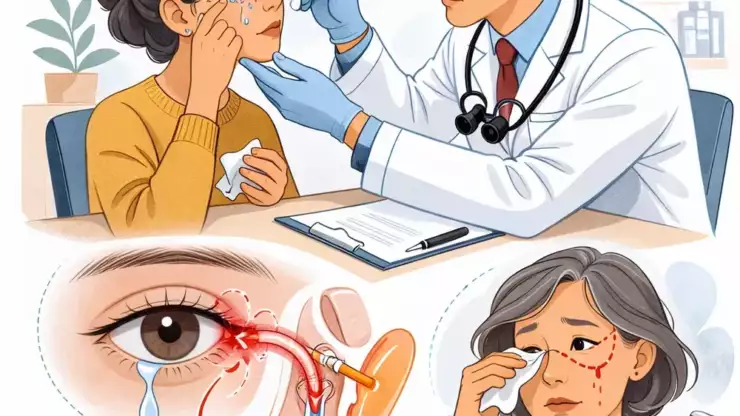
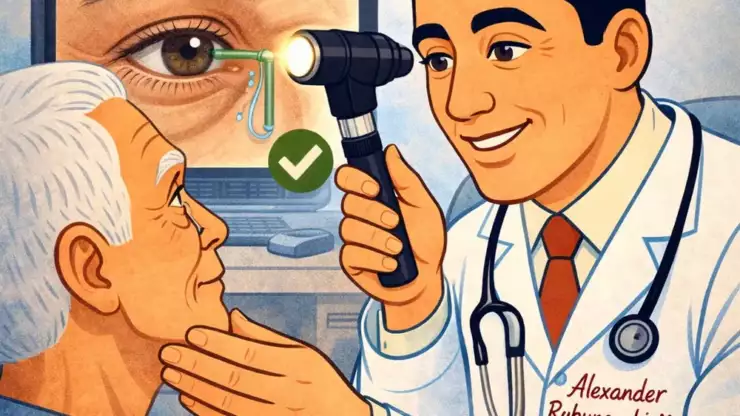
Tear Duct Injury After Trauma How canalicular injuries happen, how they’re diagnosed, and why timing matters. Tearing after facial trauma is common. Sometimes it’s temporary irritation. Other times, it’s a sign that the tear drainage system has been disrupted—especially when there was a cut near the inner corner of the eyelid. The key structure is the canaliculus: a tiny channel…
111
Post‑Traumatic Ptosis Explained A deeper look at eyelid drooping after injury, evaluation, and treatment timing. Ptosis is drooping of the upper eyelid. After trauma, ptosis can appear immediately or become more noticeable as swelling decreases. The challenge is that ptosis has different causes: temporary inflammation, tendon stretching, nerve-related changes, or scarring. A targeted exam clarifies which mechanism is driving the…
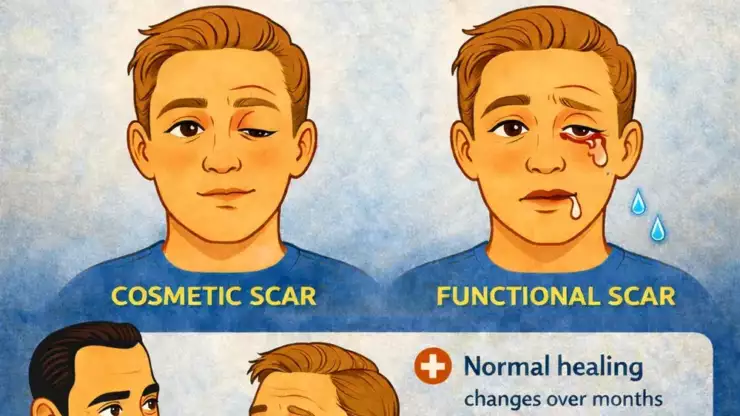
Scar Revision After Eyelid Trauma How to tell whether a scar is still maturing normally or changing eyelid function. Eyelid scars often heal impressively well, but trauma scars can sometimes tighten and pull the eyelid out of its natural position. The difference between a cosmetic scar and a functional scar matters—because functional scars can cause dryness, tearing, irritation, and incomplete…
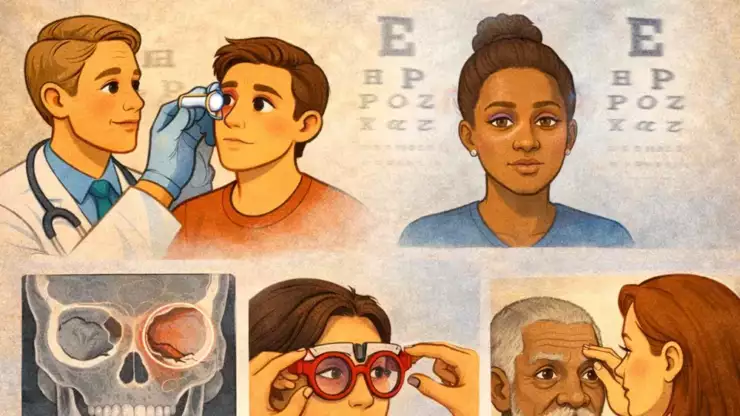
When to See an Oculoplastic Surgeon After Eye Trauma A practical checklist for deciding when specialized evaluation is worth it. After an injury, it’s tempting to wait for swelling to go down and hope everything returns to normal. Often it does. But certain symptoms point to injuries involving the eyelids, tear ducts, or orbit—areas where specialized reconstruction can protect function…